Blog

  • Premium Airport Meet and Greet in Santiago

    Premium Airport Meet and Greet in Santiago

    After an overnight flight, the difference between arriving and truly being looked after is often waiting just beyond the arrivals doors. A premium airport meet and greet gives your Chile journey a composed, personal beginning: a knowledgeable local host, clear coordination, assistance with the small details, and a private vehicle ready when you are.

    At ChileRules, we arrange arrivals at Santiago Airport for travelers who prefer certainty over improvisation. Whether you are arriving for a private wine country stay, an executive visit, a family holiday, or the first night of a tailor-made journey across Chile, our role is to make the transition from aircraft to hotel feel calm and well managed.

    What a Premium Airport Meet and Greet Really Means

    A premium arrival service is not simply a driver holding a name sign. It is a coordinated welcome designed around your flight, party, luggage, hotel, and onward plans. Your English-speaking ChileRules representative monitors the arrival details, meets you at the agreed point, and guides you to your private vehicle with a warm, professional welcome.

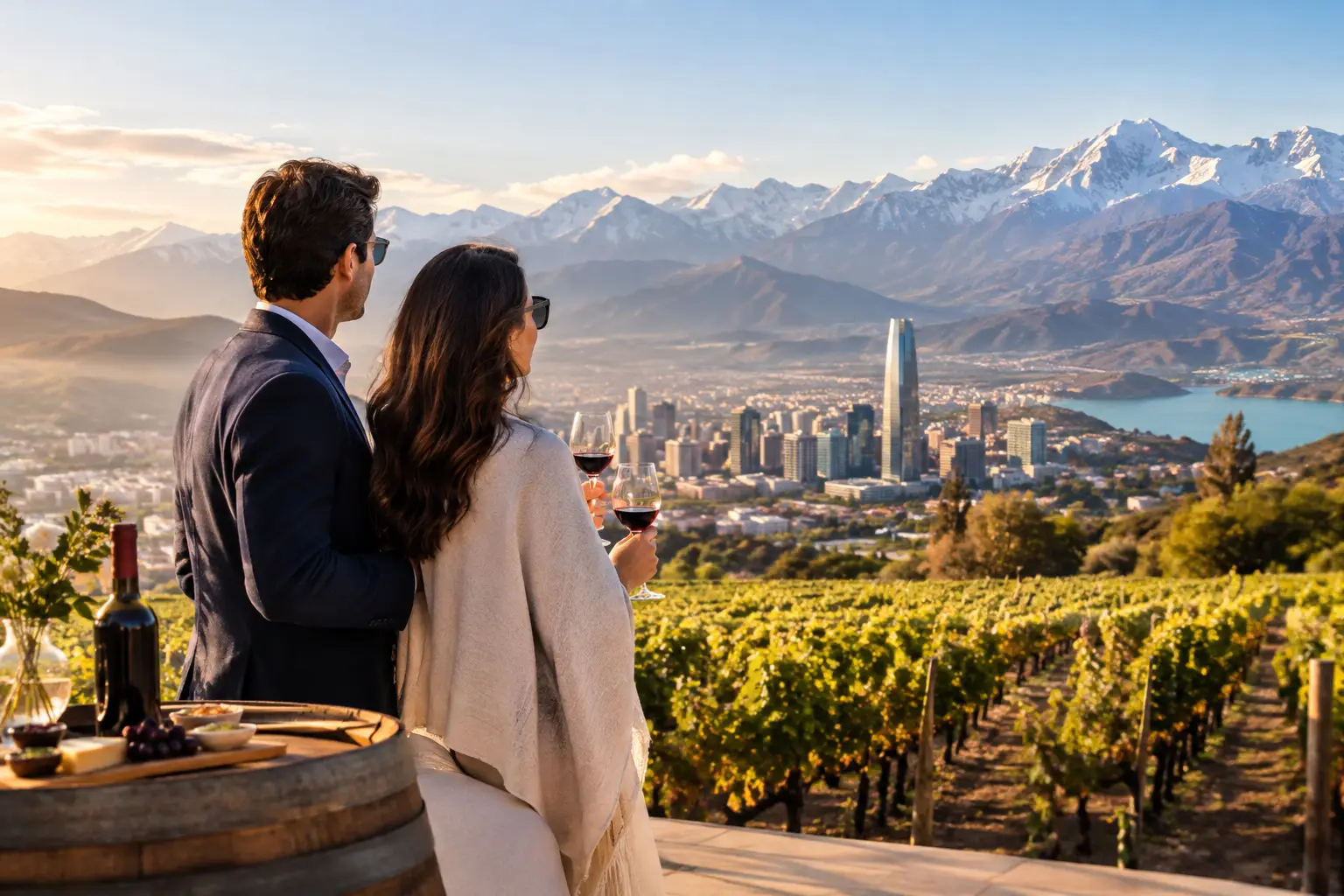
    For international guests, Santiago can be an exciting first impression: a major capital framed by the Andes, with a busy international airport and a city that may be entirely new. Knowing exactly who will meet you and where to go removes the uncertainty that can follow a long-haul journey. It also means you have someone local to answer practical questions before you reach your hotel.

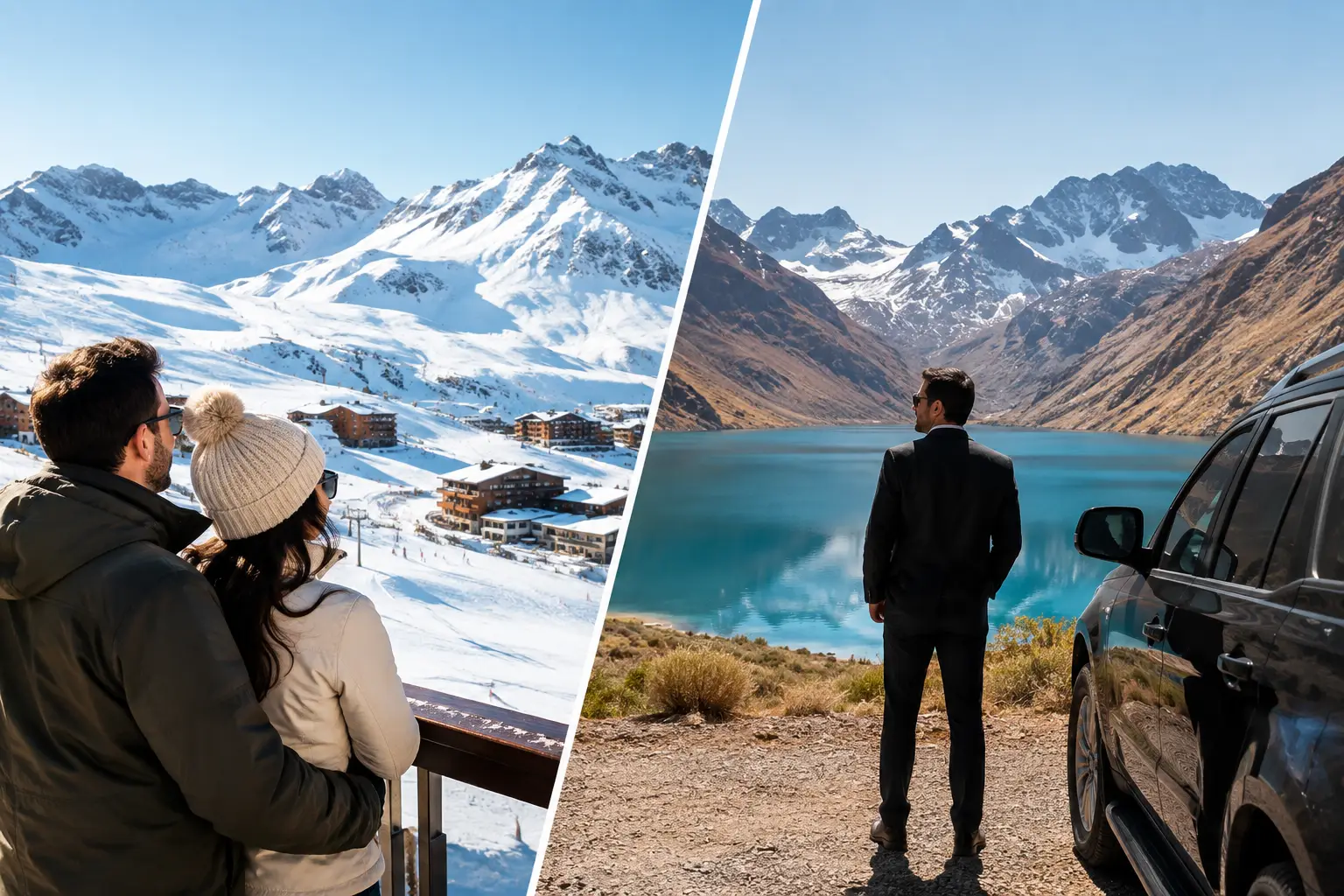
    The experience is particularly valuable when timing matters. Perhaps you have a dinner reservation shortly after arrival, a meeting the following morning, young children who need a quiet start, or a connection to a ski resort, wine valley, or domestic flight. In those moments, attentive planning is more than a convenience. It protects the first hours of your trip.

    The ChileRules Approach to Your Arrival

    At ChileRules, we treat airport service as the opening chapter of a private journey, not an isolated transfer. Before you arrive, our team confirms the details that shape a comfortable welcome: flight information, number of travelers, luggage requirements, accommodation, preferred vehicle, and any special considerations.

    On arrival, you are met by a professional member of our team and accompanied to a premium private vehicle selected for your party. Couples may appreciate the privacy and ease of a refined sedan or SUV, while families and small groups often need additional room for luggage and a more spacious configuration. The right choice depends on your travel style, not a one-size-fits-all arrangement.

    During the drive into Santiago, there is no need to rush into a scripted city lecture. Some guests want quiet after a long flight. Others are eager for recommendations, restaurant guidance, or a sense of the neighborhoods they will explore. Our hosts read the moment and respond accordingly. That personal judgment is one of the details that separates an elevated service from a routine transfer.

    Flight Changes Are Part of the Plan

    Air travel rarely follows a perfect schedule. Delayed departures, early landings, baggage delays, and last-minute gate changes can all affect an arrival. A well-run premium airport meet and greet anticipates this reality rather than treating it as an exception.

    Our ChileRules team tracks arrival information and stays in communication when circumstances shift. There are limits to what any ground team can control, especially during airport operational changes, but clear coordination makes a meaningful difference. You should not be left wondering whether your host knows your flight has moved or whether your vehicle is still in place.

    This is also where direct local support matters. Instead of relying on an anonymous dispatch process, you have a responsive team in Santiago that understands your itinerary and can adapt the next step when needed.

    Who Benefits Most From Meet and Greet Service?

    For many travelers, the appeal is simple: it preserves energy. Long international journeys can involve overnight flights, multiple connections, changing time zones, and the mental load of arriving somewhere unfamiliar. Beginning with personal assistance lets you save your attention for the experiences ahead.

    Families often value the extra reassurance of being met by name and guided directly to the vehicle, especially when managing children, strollers, and several pieces of luggage. Couples traveling for a honeymoon or milestone celebration appreciate starting in privacy, without logistical distractions. Executives and corporate guests benefit from a punctual, discreet arrival that respects a demanding schedule.

    It can be equally helpful for travelers beginning a wider Chile itinerary. If Santiago is only the first stop before the Atacama Desert, Patagonia, or Chilean wine country, an organized welcome helps the entire program begin on solid footing. At ChileRules, we can coordinate your airport arrival with private tours and experiences, hotel transfers, and the next stage of a custom-made trip.

    Meet and Greet Versus a Private Airport Transfer

    A private airport transfer provides a dedicated vehicle and driver between the airport and your destination. It is an excellent choice for many arrivals, especially for repeat visitors who know Santiago well and want straightforward transportation.

    Meet and greet adds a more hands-on layer of care. It includes a personal welcome inside or at an agreed arrival point, guidance through the immediate post-flight transition, and a host who is available to orient you before you depart the airport. The distinction may seem small on paper, but it changes the feeling of arrival.

    Which option is right depends on your preferences. A private transfer may be all you need if you are traveling light, familiar with the destination, and looking for efficient point-to-point service. Meet and greet is often the better fit if this is your first visit, you are traveling with family, you have a high-touch itinerary, or you simply want every detail handled with greater personal attention.

    Details Worth Sharing Before You Land

    The strongest arrival experiences are planned with a few thoughtful details in advance. Tell our team about significant luggage, mobility needs, child seats, oversized sporting equipment, or a hotel change made late in the planning process. If you have an important reservation after arrival, share the timing so we can help you plan a realistic departure from the airport.

    It is also useful to mention your communication preferences. Some guests appreciate a message confirming the meeting point before departure; others prefer concise instructions and minimal notifications. The same applies to the drive into the city. Your arrival should suit your pace, whether that means a quiet ride or an informed introduction to Santiago.

    At ChileRules, we believe luxury is often found in this kind of anticipation. It is the vehicle that fits, the person who is expecting you, the accurate information at the right time, and the freedom to arrive without having to solve the next logistical question yourself.

    A Better First Hour in Chile

    The first hour after landing has an outsized influence on the rest of a journey. When it is calm, clear, and personal, you arrive at your hotel ready to enjoy Santiago rather than recover from the process of reaching it. That is the value of a premium welcome: not spectacle, but confidence.

    For guests continuing into Chile’s wine regions, heading toward mountain resorts, or beginning a carefully designed vacation, our team carries that same level of attention beyond the airport. We know that memorable travel is built through thoughtful transitions as much as extraordinary destinations.

    Your time in Chile should begin with someone ready for you, not another detail to manage.

    Plan Your Trip with ChileRules

  • Patagonia Logistics for a Private Chile Journey

    Patagonia Logistics for a Private Chile Journey

    Patagonia logistics are what turn a remarkable destination into a relaxed, well-paced private journey. The landscapes may look wonderfully remote, but the difference between an effortless arrival and a rushed itinerary often comes down to flight timing, transfer coordination, luggage planning, and a team ready to adapt when conditions shift. At ChileRules, we arrange these details with the same care we bring to the journey itself.

    For travelers visiting Torres del Paine and Chilean Patagonia, time is too valuable to spend managing connections from afar. A thoughtfully designed plan protects the moments that matter: arriving at your lodge rested, reaching a trailhead at the right hour, enjoying a long lunch with a view, or changing plans gracefully when the weather offers a better opportunity elsewhere.

    Why Patagonia logistics deserve careful planning

    Patagonia is not difficult because it lacks comfort. Its challenge is that comfort depends on coordination. Flight schedules can be limited, travel distances are substantial, and weather can influence the best order for excursions. A polished itinerary considers all three before a traveler arrives.

    For example, an international arrival in Santiago followed by a same-day domestic connection may be appropriate for some guests, particularly when schedules align well. For others, an overnight in Santiago creates a more comfortable start, especially after a long-haul journey or when traveling with children. There is no single correct answer. The right decision depends on your arrival time, energy level, luggage needs, and how much flexibility you would like built into the first days of the trip.

    At ChileRules, we look beyond individual reservations and consider the full sequence. That includes airport assistance, private transportation, hotel or lodge check-in timing, meal schedules, and the practical margins that make a journey feel calm rather than tightly managed.

    The key elements of Patagonia logistics

    Flights and connection strategy

    For most Chilean Patagonia journeys, flight planning is the foundation. A well-chosen arrival into the region should align with a private transfer that allows for a comfortable journey onward to your lodge. The goal is not simply to arrive as early as possible. It is to arrive with enough time to settle in, enjoy the setting, and begin the experience without pressure.

    We also recommend treating flight times as part of the itinerary rather than an isolated booking. Departure-day transfers, check-in expectations, and possible schedule changes all deserve attention. When a trip includes Santiago, wine country, Atacama, or another Chilean highlight, the routing should preserve breathing room between contrasting regions.

    Private ground transportation

    The drive from the regional airport to Torres del Paine is part of the Patagonia experience, not merely a transfer. Wide-open landscapes, changing light, and occasional wildlife sightings make the journey memorable when it is handled privately and at an unhurried pace.

    Private transportation also gives travelers useful flexibility. A family may need room for additional luggage and a more relaxed departure. A couple celebrating a honeymoon may prefer a discreet, comfortable vehicle and a scenic pause along the way. Executives working around a limited schedule may value direct coordination and clear timing. Our team at ChileRules matches the transportation plan to the people traveling, not just the route on a map.

    Lodge timing and arrival experience

    Remote lodges operate on their own rhythm, often with set dining times, excursion briefings, and departure windows. Arriving too late can mean missing the relaxed introduction that helps guests make the most of the following day. Arriving far too early may create an unnecessary wait if rooms are not yet prepared.

    This is where experience matters. We coordinate arrival plans around the lodge experience, allowing time for check-in, a welcome drink, a meal, and a conversation about the days ahead. Those small details create a stronger beginning than an itinerary that merely delivers guests to the entrance.

    Luggage and equipment coordination

    Patagonia calls for practical packing, especially when a trip includes multiple regions with very different climates. Travelers may arrive from Santiago with urban attire, continue to a wine valley, then head south where wind, rain, and changing temperatures require another approach.

    A tailored pre-departure plan can make this easier. We advise guests on luggage flow, appropriate layers, footwear, and the distinction between what should stay close at hand and what can be packed for later use. For travelers connecting through several destinations, this planning can prevent the inconvenience of searching for essentials at the wrong moment.

    Weather is a planning factor, not a disruption

    Patagonia weather has a deserved reputation for changing quickly. That should not cause concern, but it should shape the way a premium itinerary is built. The best journeys avoid placing every major experience into a single narrow window.

    A flexible program gives guides and hosts room to respond to conditions. A clear morning may call for a scenic viewpoint or a more exposed route. If winds rise or visibility changes, a different excursion, a cultural visit, or a slower lodge-based experience can be the better choice. The point is not to force a fixed plan through changing conditions. It is to make the most of the day that Patagonia gives you.

    Based on our experience arranging private journeys across Chile, we encourage guests to allow enough nights for this flexibility to feel genuine. A longer stay does more than add activities. It creates space for the landscape, the weather, and your own pace to guide the experience.

    How to build a more comfortable Patagonia itinerary

    The strongest Patagonia itineraries begin with a few personal questions. Are you traveling for active exploration, dramatic scenery, photography, family time, or a combination of all four? Would you rather enjoy a full schedule each day or protect time for quiet moments at the lodge? Are there birthdays, anniversaries, dietary preferences, mobility considerations, or work commitments that should influence the plan?

    These answers shape practical decisions. A honeymoon itinerary may prioritize privacy, exceptional dining, and scenic experiences timed for the best light. A multigenerational family may benefit from varied daily options and a private pace that lets each traveler enjoy the region comfortably. A small executive group may need coordinated arrivals, reliable communication, and an itinerary that makes the most of a limited window.

    At ChileRules, we also consider the transitions around Patagonia. A private journey can begin with a smooth airport arrival in Santiago, include time in a celebrated wine region, then continue south with every transfer and flight sequence arranged around your preferences. This approach keeps the experience personal from the first welcome to the final departure.

    What a dedicated local partner changes

    Patagonia rewards preparation, but it also rewards responsiveness. A local team can confirm details before your arrival, monitor the moving pieces during your trip, and provide one clear point of contact rather than leaving guests to coordinate several providers independently.

    For international travelers, this reassurance has real value. You know who is meeting you, where to go, what to expect, and whom to contact if a timing question arises. You also have the advantage of local judgment when conditions call for a thoughtful adjustment.

    The finest Patagonia journeys do not feel over-scheduled. They feel considered. When transport, accommodations, excursions, and timing work together quietly in the background, guests are free to focus on the extraordinary scale of the place and the people they are sharing it with.

    Plan Your Trip with ChileRules

  • 10-Day Chile Itinerary: How to Plan It Without Rushing

    10-Day Chile Itinerary: How to Plan It Without Rushing

    Ten days in Chile can be enough for an extraordinary trip—but only if you resist the urge to treat the country like a checklist. Chile stretches across radically different landscapes, and the distances between them are larger than they first appear. The smartest 10-day Chile itinerary is not the one with the most pins on the map. It is the one that gives you two strong contrasts, smooth transitions, and enough margin to enjoy where you are.

    For most first-time visitors, that means beginning in Santiago, adding one nearby wine or coastal experience, and then choosing one major region: the Atacama Desert or Patagonia. Below, we show how to plan both versions without spending the trip packing, flying, and watching the clock.

    Can You Really See Chile in 10 Days?

    You can experience Chile beautifully in ten days, but you cannot—and should not—try to cover all of it. A route that combines Santiago, Atacama, Patagonia, wine country, and the coast may look impressive on paper. In practice, it creates too many hotel changes, airport transfers, early departures, and weather-sensitive connections.

    A better rule is simple: choose two bases plus a light final day. Santiago works naturally as the first base because it is the international gateway and a useful starting point for wine valleys, city experiences, and the Pacific coast. Your second base should deliver the strongest contrast you want from Chile: desert landscapes in the north or mountains and open space in the south.

    If you are still deciding what kind of trip fits you, our Chile trip planning checklist can help you clarify pace, priorities, and logistics before you book.

    The Best Planning Principle: Two Regions, Not Three

    Every additional region costs more than a flight. It also costs a packing day, a transfer, a check-in, and some of your attention. Domestic connections can be efficient, but they still shape the rhythm of the trip. Weather matters in Patagonia. Altitude and excursion timing matter in Atacama. International arrival fatigue matters in Santiago.

    Planning around two regions creates room for a proper arrival, a memorable day trip, three or four nights in the landscape you came to see, and a final buffer before your international flight. That margin is not empty time. It is what makes the itinerary feel calm.

    Option A: 10 Days in Chile With Santiago, Wine Country and Atacama

    Day 1: Arrive in Santiago and Keep the First Day Light

    After a long international flight, make arrival easy. Arrange a dependable airport transfer, check in, and leave the afternoon flexible. A relaxed meal, a short neighborhood walk, or simply time at the hotel is usually a better beginning than a full city tour.

    Day 2: Explore Santiago at a Human Pace

    Use your first full day for a private or self-guided introduction to Santiago. Focus on a few areas rather than trying to cross the entire city. Architecture, markets, contemporary neighborhoods, viewpoints, and a well-timed lunch can create a satisfying day without turning it into a race.

    Day 3: Choose One Wine Valley

    Maipo and Casablanca can both work as day trips from Santiago, but they have different personalities. Maipo is a natural choice for travelers interested in classic red-wine traditions. Casablanca pairs wine with a cooler coastal setting and can work well for travelers considering Valparaíso. Choose one valley, make one or two quality visits, and protect time for lunch.

    Day 4: Fly North and Settle Into San Pedro de Atacama

    Travel to Calama and continue by road to San Pedro de Atacama. Treat this as a transition day. The landscape changes dramatically, and the altitude rewards a measured start. A gentle sunset outing may work, but the main goal is to arrive, hydrate, and settle in.

    Days 5–7: Experience the Desert Without Stacking Every Excursion

    Give the Atacama three full days. Build the program around a mix of signature landscapes, quieter moments, and recovery time. Early starts and altitude-sensitive excursions should not be placed casually. A good local plan will sequence the days according to elevation, weather, season, and your energy.

    This is where less becomes more. One excellent excursion in the morning and a slow afternoon can be more memorable than a schedule filled from sunrise to stargazing every day.

    Day 8: Return to Santiago

    Fly back to Santiago and keep the evening free. This buffer protects your international departure from a same-day domestic connection and gives you space if the journey takes longer than expected.

    Day 9: Use a Flexible Final Day

    Choose the experience that best matches your mood: a relaxed Santiago day, a second wine-focused outing, or a private coastal visit if timing and energy allow. If you are considering the coast, you can also use the Valparaíso Trip Check to review whether your plan is realistic.

    Day 10: Depart Without a Final-Day Sprint

    Keep the final morning simple. Allow generous time for the airport and avoid building a major excursion around your departure. Ending calmly is part of a well-designed trip.

    Option B: 10 Days in Chile With Santiago, Wine Country and Patagonia

    The structure stays similar, but Patagonia needs even more respect for travel time and weather. Spend Days 1–3 in Santiago and one wine valley. On Day 4, travel south toward Puerto Natales or your chosen lodge. Protect Days 5–7 for Torres del Paine and the surrounding landscape. Return to Santiago on Day 8, keep Day 9 flexible, and depart on Day 10.

    Four nights is a practical minimum for many first-time Patagonia stays because the arrival and departure days do not function like full exploration days. If Patagonia is the emotional center of your trip, consider removing the wine day or extending the journey. Our guide to how many days to spend in Patagonia explains the trade-offs in more detail.

    Atacama or Patagonia: Which One Fits Your 10-Day Trip?

    Choose Atacama if you want desert light, geology, stargazing, smaller-town atmosphere, and a landscape that feels radically different from central Chile. It can pair smoothly with Santiago when the trip is planned around altitude and well-timed excursions.

    Choose Patagonia if mountains, open space, wildlife, hiking, and lodge-based immersion are your priorities. It rewards travelers who accept changing weather and give the destination enough nights to unfold.

    Do not choose based only on a famous photograph. Consider the season, your preferred activity level, flight flow, hotel style, and tolerance for early starts. The right answer is the region that suits the way you actually like to travel.

    Five Mistakes That Make a 10-Day Chile Itinerary Feel Rushed

    1. Connecting a domestic flight to your international departure on the same day. A night in Santiago creates valuable protection.
    2. Adding both Atacama and Patagonia. The contrast is tempting, but ten days rarely gives both the time they deserve.
    3. Counting transfer days as full sightseeing days. Airport, road, and hotel transitions consume real time and energy.
    4. Scheduling every morning and afternoon. Chile’s weather, distances, and landscapes reward flexibility.
    5. Choosing hotels before deciding the route. First establish the order and pace; then select properties that support it.

    How to Make the Route Feel More Personal

    A template is only a starting point. A couple celebrating an anniversary may want privacy, beautiful meals, and a slower lodge stay. A family may prefer easier transfers and flexible guides. Active travelers may give more days to Patagonia, while food-and-wine travelers may stay longer in central Chile and skip the domestic flight altogether.

    Before confirming anything, ask three questions:

    • Which two or three moments would make this trip feel successful?
    • How many early mornings and hotel changes do we genuinely enjoy?
    • Where do we need a buffer for weather, altitude, or flight connections?

    Those answers should shape the itinerary—not the number of destinations you hope to mention afterward.

    Before You Book: Get a Free Local Review

    A ten-day route can look logical online and still contain a difficult connection, too little time in one region, or an unnecessary hotel change. ChileRules created Chile Trip Check to catch those problems before they become expensive.

    Send us your draft itinerary, even if it is only a list of dates and places. A local specialist will review the pace, connections, and order of the trip and send you concise recommendations. There is no credit card and no obligation.

    Check My 10-Day Chile Trip — Free

    Final Thought

    The best 10-day Chile itinerary is not about proving how much ground you covered. It is about creating enough contrast to feel the scale of the country while keeping enough space to experience it. Start in Santiago, choose one major region, protect your transitions, and let the trip breathe. Chile will feel bigger—not smaller—when you stop rushing through it.

  • How to Organize a Chile Multi-City Trip Well

    How to Organize a Chile Multi-City Trip Well

    Chile is not a destination that rewards trying to fit everything into one rushed circuit. A morning in the Atacama Desert, a vineyard lunch near Santiago, and a view of the Paine Massif may all belong to the same country, but they require very different timing, flights, and levels of preparation. To organize Chile multi city trip plans well, begin with the transitions between destinations, not a list of landmarks.

    At ChileRules, we arrange private journeys for travelers who want Chile to feel effortless from arrival to departure. The difference is rarely just where you stay. It is having the right route, sensible time in each place, and a trusted team handling every airport, flight connection, and private transfer with care.

    Begin With the Chile You Want to Feel

    A multi-city itinerary should reflect your travel style before it reflects a map. Some guests come to Chile for the stillness and extraordinary landscapes of the north and south. Others want a refined balance of Santiago, Valparaíso, and private wine country experiences. Families may need more unstructured time and shorter travel days, while honeymooners often prefer fewer hotel changes and longer stays in exceptional settings.

    For most first-time visitors, two or three distinct regions create a satisfying journey. Adding a fourth can work when there is sufficient time, but it changes the character of the trip. Instead of lingering over a long lunch in the Casablanca Valley or returning from an excursion with time to enjoy your hotel, the itinerary can become governed by packing and departure times.

    Our team at ChileRules normally starts with three questions: How many nights are available in Chile? Which experience is non-negotiable? And how much travel is genuinely enjoyable for you? Those answers determine whether the right plan is Santiago and Atacama, Santiago with wine country and Patagonia, or a more extensive north-to-south private journey.

    Choose a Route That Respects Chile’s Distances

    Chile looks narrow on a map, which can make its distances deceptively easy to underestimate. The country extends across dramatically different latitudes, and flights are often the best way to preserve valuable vacation time. A well-planned route uses Santiago as a natural gateway, then connects the regions in an order that reduces backtracking and protects recovery time.

    A Strong First Journey: Santiago, Atacama, and Patagonia

    For travelers with roughly 12 to 16 nights, Santiago, San Pedro de Atacama, and Torres del Paine make a memorable combination. Santiago offers a comfortable arrival point, excellent dining, and access to private wine experiences before the dramatic contrast of the desert and Patagonia.

    This route requires thoughtful flight planning. San Pedro de Atacama is reached through Calama, while Torres del Paine is typically served through Patagonia’s regional airports and a substantial scenic transfer to the lodge. These are not destinations to treat as quick add-ons. We recommend allowing at least three full nights in Atacama and four full nights in Patagonia when possible. The landscapes are extraordinary, but they are best experienced without a compressed daily schedule.

    A Softer Pace: Santiago, Wine Country, and Valparaíso

    If your time is shorter, a Santiago-centered itinerary can still feel richly varied. Private airport service, a tailored city orientation, a day in Casablanca or Maipo, and a carefully paced visit to Valparaíso provide a sophisticated introduction to central Chile.

    This option is especially appealing for couples, executives extending a business stay, and families who prefer to unpack once in Santiago. It also leaves room for flexibility. A wine day can be shaped around architecture and gastronomy, established estates, or a more intimate tasting pace. At ChileRules, we design these details around the people traveling, rather than applying one fixed day plan.

    Add Chiloé Only When It Has Room to Breathe

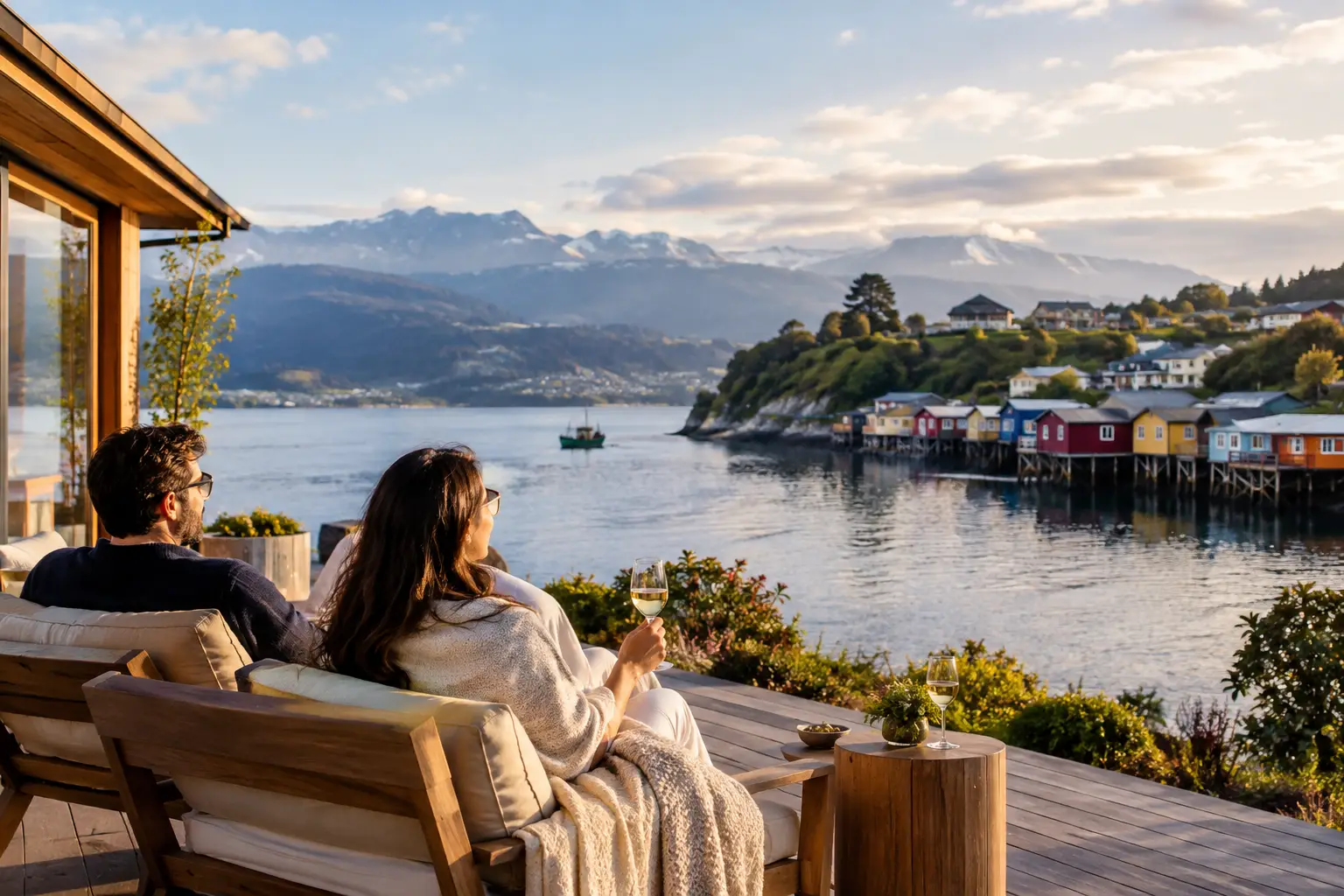
    Chiloé is distinctive, atmospheric, and well worth including for travelers drawn to culture, coastal scenery, and a quieter rhythm. It is not simply another stop between Santiago and Patagonia. Its weather, logistics, and character call for a stay of its own, ideally at least three nights. If adding Chiloé means reducing Patagonia to a hurried visit, we would usually advise choosing one region and experiencing it properly.

    Plan the Flights Before Confirming Every Hotel Night

    The most elegant Chile itinerary is built around real flight schedules and connection windows. International arrivals into Santiago can be tiring, particularly after overnight travel from North America or Australia. Scheduling an immediate domestic flight may be possible, but it can make the first day feel unnecessarily demanding.

    A night in Santiago on arrival creates a calmer start and gives room for delayed baggage, early check-in needs, or simply a restorative meal before continuing. From there, domestic flights can be positioned for daylight arrivals when they enhance the journey, or for efficient connections when time is limited.

    Private ground service matters at every stage. In a multi-city trip, a missed handoff can affect an entire day. ChileRules provides English-speaking assistance and premium vehicles so arrivals, departures, and longer regional drives are handled with clear communication and appropriate timing. For private travelers, this is not an extra detail. It is what allows the itinerary to feel composed.

    Build in Space Between Big Experiences

    Chile’s headline experiences can be physically demanding even when every arrangement is private and comfortable. Atacama’s high altitude affects guests differently. Patagonia’s weather can shift quickly, and a full day outside is deeply rewarding but still a full day. Wine country invites a slower pace than a tightly timed excursion often allows.

    The practical answer is to alternate active days with lighter ones. After arriving in San Pedro de Atacama, allow time to acclimatize before higher-elevation excursions. In Torres del Paine, avoid planning demanding activities on both the arrival and departure days. In Santiago, keep the day after an international arrival adaptable, with a private transfer and flexible dinner arrangements rather than a fixed, ambitious agenda.

    This approach also gives your itinerary resilience. If conditions change in Patagonia or a favorite winery tasting runs longer than expected, the trip still feels generous rather than disrupted. Luxury is often the freedom not to watch the clock.

    Let Each Destination Have a Different Role

    A common planning mistake is asking every destination to deliver the same type of day. Chile is more compelling when each stop has a clear purpose. Santiago can provide culture, cuisine, and an easy landing. The wine valleys bring conversation, landscape, and exceptional hospitality. Atacama offers scale and silence. Patagonia invites immersion in the natural world.

    That distinction helps with hotel choices as well. In Santiago, location and access may matter most. In Atacama and Patagonia, the lodge experience, guiding philosophy, and excursion flexibility can have a larger influence on the trip. A property that is ideal for one couple may not suit a multigenerational family or travelers who want more independent downtime.

    Based on our experience arranging private journeys across Chile, the best itinerary is rarely the one with the most pins on a map. It is the one where every place earns its nights.

    Use One Team to Coordinate the Whole Journey

    When flights, hotels, guides, drivers, restaurant plans, and special occasions are managed separately, travelers become the point of coordination. That is not how a premium vacation should feel. A single local team can see the complete picture: the early flight, the luggage requirements, the preferred pace, the birthday dinner, and the weather-sensitive excursion that may need adjustment.

    At ChileRules, we bring those moving pieces together into one tailored plan. We can arrange private tours and experiences in Santiago and the wine regions, then extend the journey to the Atacama Desert, Chiloé, or Patagonia with the same attentive standard of service. For travel designers and concierge partners, this also means one responsive point of contact on the ground in Chile.

    A multi-city journey is not made special by how much ground it covers. It becomes memorable when the travel between extraordinary places feels as considered as the places themselves.

    Plan Your Trip with ChileRules

  • A Private Guide to Torres del Paine Logistics

    A Private Guide to Torres del Paine Logistics

    Patagonia rewards preparation in a way few destinations do. A missed connection, an overly ambitious driving day, or a hotel chosen without regard for location can turn remarkable scenery into unnecessary fatigue. This guide to Torres del Paine logistics is designed for travelers who want the park to feel spacious, comfortable, and wonderfully simple from arrival to departure.

    At ChileRules, we arrange private journeys with the understanding that logistics are not an administrative detail. They shape how much time you have for a quiet sunrise, an unhurried lunch overlooking the Paine Massif, and the flexibility to pause when guanacos, condors, or the light demand attention.

    Start With the Right Gateway

    Most international guests begin in Santiago, then fly south to Patagonia. Puerto Natales is the closest practical arrival point for Torres del Paine, while Punta Arenas offers more frequent flight schedules and can be the better choice when timing, aircraft availability, or family travel calls for more options.

    The right airport depends on the overall itinerary. Puerto Natales reduces ground-transfer time and works beautifully for a focused stay in and around the park. Punta Arenas adds more driving on arrival and departure days, but it can create a more reliable flight plan during certain travel periods. For guests traveling on a fixed international schedule, we often consider both airports before confirming the final itinerary.

    A same-day connection from Santiago can work well when flights align, though a private itinerary should leave sensible room for weather, baggage, and the natural pace of a long-haul arrival. For some travelers, an overnight in Santiago before heading south makes the beginning of the journey considerably more relaxed.

    Choose a Hotel for the Experience You Want

    Torres del Paine is not one compact village with every hotel and trailhead nearby. Properties are spread across the park and its surrounding estancias, and their location has a meaningful effect on each day.

    Staying inside or immediately beside the park offers dramatic access to landscapes and minimizes travel between excursions. It is an especially appealing choice for couples, honeymooners, and families who prefer to return to a refined lodge after a day outdoors. The trade-off is that some activities may require longer drives depending on which sector of the park you wish to explore.

    A stay in Puerto Natales brings a lively waterfront setting and easy access to local dining before or after the park portion of a journey. It can be a good fit for travelers who want to combine Patagonia’s wilderness with a town stay, but daily visits to Torres del Paine require substantial travel time. For a shorter visit, we generally recommend prioritizing proximity to the park over convenience to town.

    At ChileRules, we match accommodations to travel style rather than treating every Patagonia itinerary alike. A photographer rising before dawn, a family traveling with younger children, and a couple seeking a restorative lodge stay may all benefit from different locations and pacing.

    Private Transfers Set the Tone

    From Puerto Natales, the drive to the park commonly takes around two hours, depending on the hotel and road conditions. From Punta Arenas, it is longer and should be treated as a scenic travel day rather than an errand between airport and lodge.

    A private transfer offers more than a comfortable vehicle. It gives you control over timing, space for luggage and outdoor layers, and the ability to stop safely when the landscape opens up. On clear days, the route itself is part of the experience: wide Patagonian steppe, distant peaks, ranchland, and sudden wildlife sightings make the journey feel far from ordinary.

    For premium travelers, the details matter. Arrival coordination, a professional English-speaking driver or guide when requested, appropriate vehicle selection, and clear communication around changing flight times all remove friction from a remote destination. Our team at ChileRules plans these movements as part of the experience, not as separate pieces that guests must manage on their own.

    Allow Enough Time in the Park

    Three nights is a meaningful minimum for travelers who want to see signature landscapes without rushing. Four or five nights creates a more generous rhythm, with room for varied scenery, weather adjustments, and genuine downtime at the lodge.

    The park’s highlights are spread out. One day may focus on the eastern sector and its iconic views toward the towers; another may be devoted to Lake Pehoé, Salto Grande, and the western side of the massif. A third can include a private boat excursion, a guided walk tailored to your ability, or a quieter wildlife-focused route.

    Trying to fit every celebrated viewpoint into two days often produces long hours in the vehicle and little time to absorb the setting. Patagonia is better when the itinerary has breathing room. Wind can change plans, clouds can conceal a peak for much of a morning, and the most memorable moments often arrive between scheduled stops.

    Build Around Weather, Not Against It

    Torres del Paine weather is famously changeable. Wind, rain, sun, and cloud can all arrive within a single excursion. That unpredictability is part of the park’s character, but it makes flexibility essential.

    We recommend placing the most weather-dependent activities early enough in the stay that they can be moved if conditions are poor. A well-designed program balances landmark outings with options that remain rewarding in mixed weather, such as scenic drives, shorter walks, wildlife viewing, or a leisurely lodge afternoon with the mountains beyond the windows.

    Bring layers even in warmer months, including a windproof outer shell, comfortable walking shoes, sunglasses, and sun protection. The goal is not to dress for hardship. It is to stay comfortable enough that changing conditions do not distract from the view.

    Plan Excursions Around Your Pace

    The park supports everything from gentle scenic walks to full-day hiking. A private approach allows the day to be adjusted to your interests, energy, and desired level of activity rather than following a fixed schedule.

    For active guests, a guided hike toward the Base Torres viewpoint is an exceptional full-day objective, but it is demanding and requires an early start, favorable conditions, and a realistic assessment of fitness. It is not the only way to experience Torres del Paine. The French Valley, Grey area, lakeside paths, and carefully selected viewpoints all offer powerful perspectives with different levels of effort.

    Families and multigenerational groups often appreciate pairing one more active day with a scenic day that includes waterfalls, short walks, picnic stops, and wildlife observation. Private planning makes that balance possible without compromising the quality of the experience.

    Keep Meals and Timing Thoughtful

    Remote park days require advance planning. Depending on the lodge and excursion format, lunch may be a prepared picnic, a packed meal, or a return to the property. Dietary preferences should be communicated before arrival so that they are handled quietly and well.

    Early departures can be worthwhile for calm light and fewer people at key viewpoints, though not every day needs to begin before sunrise. We consider the season, the guests’ interests, and the next day’s program when setting departure times. A journey should feel curated, not over-programmed.

    Add Patagonia to a Wider Chile Journey

    Torres del Paine is often the emotional centerpiece of a Chile itinerary, yet it pairs naturally with Santiago, the Atacama Desert, or Chiloé when time permits. The key is to avoid treating these regions as simple transfers on a map. Chile is long, and each transition deserves enough time to remain enjoyable.

    For travelers combining destinations, private airport coordination and carefully chosen overnights protect the experience from becoming a sequence of rushed travel days. ChileRules can design the journey around the moments that matter most, whether that means a quiet wine-country pause before Patagonia or an extended stay after the park to rest and reflect.

    A well-planned Torres del Paine stay should leave you with more than photographs of the towers. It should leave you with time to watch the weather move across the peaks, to hear the wind over the grasslands, and to feel that every important detail was already in capable hands.

    Plan Your Trip with ChileRules

  • Your Guide to Private Chile Transportation

    Your Guide to Private Chile Transportation

    A great Chile itinerary can lose its ease in the first hour if arrival logistics are left to chance. This guide to private Chile transportation is designed for travelers who want every transfer, day trip, and long-distance connection handled with the same care as the destination itself. At ChileRules, we arrange private travel around your pace, preferences, luggage, timing, and the small details that make a journey feel genuinely looked after.

    Private transportation is not simply about moving between places. It is about arriving refreshed, having room to adjust a plan, and knowing there is a knowledgeable local team behind the day. For couples, families, executives, and private groups, that reassurance is often what turns a complex Chile vacation into an enjoyable one.

    Start With a Private Airport Arrival

    For most international visitors, Santiago is the beginning of the journey. After a long flight, navigating a new airport, handling luggage, and coordinating onward plans can feel unnecessarily demanding. A pre-arranged private airport transfer provides a calm, direct start.

    Our team at ChileRules monitors the details of your arrival and coordinates a professional pickup with an appropriate premium vehicle. Your driver meets you at the designated arrival point, assists with luggage, and brings you directly to your hotel, residence, or next appointment. For travelers landing early, departing late, or traveling with children, this continuity matters.

    The right vehicle should be selected for more than passenger count. A couple with several large suitcases, a family traveling with ski equipment, and an executive team with separate arrivals each need a different setup. When arranging private Chile transportation, share your luggage, mobility, and timing needs in advance. It allows the service to feel considered rather than merely functional.

    Choose Transportation Around Your Itinerary

    Chile stretches across an extraordinary range of landscapes, so one transportation plan rarely suits an entire trip. The best approach is to build each transfer around the experience that follows it.

    Santiago and nearby experiences

    Within Santiago, a private vehicle and English-speaking support create flexibility that scheduled services cannot offer. You may want to begin with a hotel pickup, stop for a special lunch, spend longer at a museum, or return for an afternoon rest before dinner. Private city touring makes those choices simple.

    The same applies to day trips beyond the capital. A wine-focused day in Casablanca, Maipo, or Colchagua is more enjoyable when the vehicle, pacing, restaurant reservations, and winery appointments are coordinated as one experience. A private Valparaiso day trip can also be shaped around your interests, whether that means architecture, art, coastal scenery, or a relaxed meal with an ocean view.

    At ChileRules, we treat transportation as part of the experience, not as a separate piece to solve. The driver, vehicle, route, and timing should support the day you actually want to have.

    Ski transportation from Santiago

    Ski days require particularly careful planning. Mountain conditions, pickup times, equipment, weather, and road access can all affect the schedule. Private ski transportation gives travelers the comfort of a dedicated vehicle and a driver experienced with the rhythm of a mountain day.

    For families and groups, the advantage is flexibility. You can set a pickup time that works for your plans, travel with your equipment comfortably, and return to Santiago without needing to coordinate separate arrangements after a full day on the slopes. Conditions can change, so an attentive operator should communicate clearly and adapt when needed.

    Multi-region journeys

    Travel to San Pedro de Atacama, Torres del Paine, Chiloé, or other distant regions often combines air travel with carefully timed private ground transfers. Here, reliability becomes especially valuable. A delayed flight, a remote lodge check-in, or a connection between accommodations can have a meaningful impact on the day.

    For custom-made trips, we coordinate the transportation elements with the larger itinerary: airport pickups, inter-hotel transfers, private excursions, guide schedules, and departure timing. This is where local planning makes a visible difference. A transfer that looks simple on paper may require attention to seasonal road conditions, driving distances, flight schedules, or the ideal time to leave for a scenic route.

    What Premium Private Service Should Include

    Not every private transfer offers the same standard of care. For high-end travel, the distinction is found in preparation, communication, and the people responsible for your day.

    A premium private service should provide a well-maintained vehicle appropriate to the route and group, a professional driver, clear pickup instructions, and responsive coordination before and during the trip. English-speaking assistance is especially useful for international guests, both for practical communication and for the confidence of having questions answered quickly.

    It should also allow for reasonable flexibility. Flights do not always arrive exactly as planned. A winery visit may run longer because you are enjoying the conversation. A family may need an extra comfort stop. While every itinerary has practical limits, the service should feel personal enough to accommodate the natural flow of travel.

    Privacy is another consideration. For honeymooners, senior travelers, executives, and families, a dedicated vehicle creates a more relaxed environment. There is space for conversation, quiet, and time to absorb the landscape without feeling rushed between fixed stops.

    Plan the Details Before You Arrive

    The strongest private transportation plans begin with a few useful questions. Where are you staying? What time do you land? How much luggage are you bringing? Are there children, mobility considerations, or special interests that should shape the route? Do you prefer a direct transfer or would you enjoy a scenic stop along the way?

    Sharing this information early helps us recommend the right vehicle and structure the day realistically. It also avoids the common mistake of underestimating travel times. Santiago traffic, mountain roads, winery appointments, domestic flight schedules, and remote hotel locations all deserve room in the plan.

    For travelers combining several regions, it is helpful to look at transportation as a connected sequence rather than individual bookings. An airport transfer, hotel departure, regional flight, and arrival transfer should work together. This reduces waiting time and gives you a clear point of contact throughout the journey.

    When a Driver Is Enough and When You Need a Guide

    A private driver is ideal when you know where you want to go and want a comfortable, reliable way to get there. It is often the right choice for airport transfers, point-to-point travel, ski transport, and independently planned restaurant or winery reservations.

    A private guide adds value when interpretation and local context are central to the experience. In Santiago, Valparaiso, the wine valleys, Atacama, and Patagonia, a guide can bring history, culture, landscape, and local perspective into the day. The decision depends on how you prefer to travel. Some guests value quiet privacy and a flexible vehicle, while others want expert storytelling and a more curated experience.

    Based on our experience arranging private journeys across Chile, the best itineraries often combine both. A private driver can manage efficient arrivals and transfers, while a guide is reserved for the days where insight transforms what you see.

    The ChileRules Approach to Private Travel

    At ChileRules, we believe luxury is felt in the details travelers should not have to manage themselves. It is the message confirming your pickup, the right vehicle at the right time, the driver who understands the route, and the itinerary that still has room for a spontaneous moment.

    Our private transportation and tailor-made experiences are built for travelers who value comfort without sacrificing authenticity. Whether you are arriving in Santiago, enjoying a wine valley day, heading into the mountains, or connecting a larger Chile journey, we plan each movement with care, discretion, and local expertise.

    The goal is simple: more time enjoying Chile, and less time thinking about logistics.

    Plan Your Trip with ChileRules

  • Premium Santiago Airport Transfer Review Guide

    Premium Santiago Airport Transfer Review Guide

    A premium Santiago airport transfer review should begin with the moment a long-haul flight lands at Arturo Merino Benítez International Airport. After crossing time zones, collecting luggage, and navigating a new country, travelers should not have to wonder who is meeting them, where to go, or whether there is enough room for their bags. The right private arrival service replaces those small uncertainties with clear communication, personal attention, and a comfortable first impression of Santiago.

    For travelers staying at Santiago’s leading hotels, arriving for an executive meeting, or beginning a carefully planned Chile journey, an airport transfer is more than a ride into the city. It is the first operational detail of the trip. When it is handled well, everything that follows feels calmer and more considered.

    A Premium Santiago Airport Transfer Review Starts Before Landing

    The quality of a transfer is often decided before the aircraft touches down. A thoughtful provider asks for the details that matter: flight number, arrival date, passenger count, luggage expectations, hotel destination, and any special requirements. This is not unnecessary formality. It allows the team to prepare the correct vehicle, monitor the arrival, and anticipate the rhythm of the day.

    Clear pre-arrival communication is especially valuable for first-time visitors. Travelers should receive understandable instructions on where their driver or host will be waiting and how to identify them after exiting customs. A personal name sign, a confirmed contact method, and a responsive English-speaking point of contact all make a meaningful difference when airport Wi-Fi is unreliable or a phone battery is low.

    Flight monitoring also separates a considered private service from a basic pickup arrangement. International arrivals can be early, delayed, or held at the gate. The provider should follow the flight’s status and adjust the collection plan accordingly, rather than expecting guests to manage a last-minute change from the baggage hall.

    The Arrival Details That Define Private Service

    The best airport experience feels organized without feeling rushed. Once travelers enter the arrivals area, they should be greeted warmly, assisted with luggage where appropriate, and guided directly to the vehicle. There is no need to search through a crowded curbside area or make decisions while tired after a flight.

    The route into Santiago is also part of the service. A professional driver understands that some guests want a quiet drive after an overnight journey, while others appreciate a short, friendly introduction to the city. The ability to read the moment matters. Good private service is attentive rather than intrusive.

    For families, the practical details deserve particular attention. A provider should confirm child seating needs in advance, account for strollers and additional bags, and allow enough space for everyone to travel comfortably. Couples arriving for a honeymoon may value discretion and an unhurried welcome. Executive travelers may need a reliable environment to make a call, review an itinerary, or simply arrive refreshed for a meeting. The vehicle and service style should reflect the guests, not force every traveler into the same experience.

    Vehicle Quality Is About More Than Appearance

    A polished vehicle matters, but premium transportation is not defined by appearance alone. Cleanliness, interior condition, luggage capacity, air conditioning, and passenger comfort all influence how the transfer feels after a long flight. A well-maintained premium sedan may be ideal for one or two travelers with manageable luggage, while a luxury SUV or spacious van can be a better fit for families, private groups, or travelers carrying larger cases.

    The most important point is fit. Booking a vehicle that is technically large enough can still leave guests feeling cramped, especially after an international arrival. A good transfer team will ask about luggage honestly and recommend the appropriate option. This small conversation prevents an uncomfortable start and signals that the provider is focused on the actual experience, not simply filling a vehicle.

    A premium Santiago airport transfer review should also consider consistency. The car presented at the airport should match the standard described at booking. It should arrive prepared, clean, climate-controlled, and driven by a professional who treats both time and privacy with respect.

    The Human Element Carries the Experience

    Vehicles can be excellent, yet the driver or airport host remains the part of the service guests remember most clearly. Professionalism includes safe, confident driving and local knowledge, but it also includes judgment. The best drivers know when to offer help, when to give guests space, and how to handle requests without making them feel like an inconvenience.

    English-speaking assistance is a significant advantage for international visitors. It makes a simple transfer more reassuring when a guest needs to confirm hotel arrangements, ask a question about the next day’s schedule, or adjust a pickup time. Language support should feel natural and welcoming, not like a barrier guests must work around.

    Local insight can add value when it is offered with restraint. A brief explanation of the city’s geography, a note on the weather, or a useful restaurant suggestion can create a more personal welcome. Yet not every traveler wants conversation after a red-eye flight. Premium hospitality recognizes both preferences.

    At ChileRules, this balance is central to private travel service: warm, English-speaking care combined with the practical discipline needed to keep every arrival running smoothly.

    When Flexibility Matters Most

    Travel rarely follows a perfect timetable. Baggage may take longer than expected, a family member may need an extra moment, or a guest may want to stop briefly before reaching the hotel. Within reasonable planning and operational limits, a premium provider should respond calmly and communicate clearly.

    This does not mean every request can be accommodated without notice. Santiago traffic, vehicle schedules, and onward commitments all need to be managed responsibly. What distinguishes elevated service is the way those constraints are handled. Guests should receive a straightforward explanation and a useful alternative, rather than an abrupt refusal or confusing instructions.

    For travelers connecting their airport arrival to a private city experience, a wine-country visit, or a domestic flight later in the itinerary, coordination becomes even more important. One team that understands the full plan can time transfers intelligently, keep luggage logistics clear, and make adjustments with less back-and-forth. That continuity is particularly valuable for time-conscious couples, families, and corporate guests.

    Questions Worth Asking Before You Confirm

    A premium transfer should be easy to evaluate before booking. Ask whether the team monitors incoming flights and where the meet-and-greet takes place. Confirm the exact vehicle category, not simply the number of seats, and explain the amount of luggage you expect to bring.

    It is also wise to ask who will be available if plans change on arrival, whether assistance is available in English, and how child seating or accessibility needs are handled. These questions are not excessive. They reveal whether a company has a clear operating process and is prepared to personalize the experience.

    Finally, look for evidence of reliability in how the team communicates before you travel. Prompt, specific answers tend to reflect careful service on the day itself. Vague replies, unclear meeting instructions, or reluctance to discuss vehicle suitability are signs to clarify further before confirming.

    What Premium Value Really Looks Like

    The value of a private airport transfer is not measured only by the drive time between the airport and hotel. It is found in the confidence that someone has accounted for the details: the flight, the luggage, the right vehicle, the welcome, the route, and the needs of the people arriving.

    For some travelers, that means a quiet, private ride to a hotel in Santiago. For others, it means child seats installed correctly, room for ski equipment, discreet executive service, or a host ready to begin a tailor-made Chile itinerary. The essentials remain the same, but the delivery should feel personal.

    A well-chosen airport transfer gives travelers a chance to pause after the flight, settle into Chile, and begin the journey with the comfort of knowing that the next detail is already in capable hands.

    At ChileRules, we specialize in exactly this kind of seamless private arrival experience — coordinating vehicle selection, flight monitoring, and English-speaking hosts so travelers can settle into Chile from the moment they land. Based on our experience welcoming international guests to Santiago, thoughtful airport logistics set the tone for the entire trip. Explore our private transportation and airport transfer services to see how our team can design your arrival around you.

    Book This Experience →

  • How to Design an Atacama Itinerary with Ease

    How to Design an Atacama Itinerary with Ease

    The first sight of the Atacama is often deceptively calm: adobe lanes, distant volcanoes, and light so clear that the horizon seems closer than it is. Then the altitude makes itself known. Learning how to design an Atacama itinerary means respecting that reality while making room for the desert’s most remarkable moments – a silent lagoon at sunrise, flamingos moving across mineral-rich water, or a private stargazing experience beneath one of the clearest skies on Earth.

    For travelers who value comfort and thoughtful pacing, San Pedro de Atacama is not a destination to rush. Its landscapes are dramatic, but they are widely dispersed, conditions shift throughout the day, and the best experience is rarely about fitting in the greatest number of stops. It is about arriving well, acclimatizing properly, and having the flexibility to follow the desert at its finest.

    Start With the Right Number of Nights

    Four nights is an excellent starting point for an Atacama stay, while five or six nights allow for a more spacious rhythm. This gives you time to settle in after arriving from Calama, enjoy the lower-elevation highlights first, and reserve the highest excursions for later in the visit.

    A three-night stay can work for travelers with limited time, but it calls for careful choices. Rather than trying to see every well-known landscape, select a few experiences that complement one another: perhaps Moon Valley in the afternoon, the Altiplanic Lagoons on a later day, and an evening focused on astronomy. With a private itinerary, departure times and the order of activities can be adjusted around energy levels, weather, and personal interests.

    Six nights are especially rewarding for couples, families, and guests seeking a slower luxury experience. The additional time can create space for a restorative morning at the hotel, an unhurried lunch in San Pedro, or a landscape-focused outing that does not require an early return. In a place defined by vastness, time is part of the luxury.

    How to Design an Atacama Itinerary Around Altitude

    San Pedro de Atacama sits at roughly 7,900 feet above sea level. Several signature experiences take place considerably higher, including the Altiplanic Lagoons and the Tatio Geysers. The most common planning mistake is scheduling a high-altitude excursion immediately after arrival.

    Your first day should remain gentle. A private transfer from Calama Airport, a comfortable hotel check-in, hydration, and a relaxed introduction to the village are usually enough. If you feel well, a late-afternoon visit to Moon Valley or a similarly low-elevation landscape can be a beautiful first encounter with the desert. The soft evening light makes the rock formations especially striking, and the timing avoids the stronger midday sun.

    Plan the higher-altitude days after at least one night in San Pedro. Your private guide should pay attention to how you are feeling and adapt the day accordingly. Altitude affects each traveler differently, regardless of fitness or prior experience. A well-designed itinerary leaves room to change plans rather than treating every departure time as fixed.

    The Tatio Geysers require an especially early start and often bring below-freezing morning temperatures. They can be extraordinary, with steam rising against a volcanic backdrop, but they are best placed after you have acclimatized. The Altiplanic Lagoons, by contrast, offer a full day of expansive scenery, highland wildlife, and changing colors across the water. Both deserve your best energy.

    Build Each Day Around Light, Distance, and Comfort

    Atacama is a destination where timing shapes the experience. Certain places are at their best in early morning, others in the final light before sunset, and stargazing naturally belongs to the night. A private plan allows the day to follow those conditions rather than forcing the landscapes into an arbitrary schedule.

    For example, an afternoon in Moon Valley can pair naturally with sunset views from a carefully selected viewpoint. A morning around the Cejar Lagoon area can offer luminous salt flats and open skies, followed by time to return to your hotel before the evening. Astronomy should be planned with the lunar cycle in mind: darker nights can reveal more stars, while a brighter moon may favor a landscape-focused evening instead.

    Distance matters, too. The desert roads extend far beyond San Pedro, and some excursions involve several hours of driving. Premium planning is not merely about a comfortable vehicle, though that certainly matters. It is about giving the drive purpose: knowing when a viewpoint is worth an unhurried pause, where a private picnic enhances the day, and when an earlier return will make tomorrow more enjoyable.

    Avoid stacking two physically demanding experiences together simply because the schedule allows it. An early geyser morning followed by a late night of stargazing may sound appealing on paper, but it can diminish both. A better itinerary gives each major experience enough room to feel memorable rather than managed.

    Choose Experiences That Feel Different From One Another

    Atacama’s landscapes can appear similar in photographs, yet the experience on the ground is wonderfully varied. The strongest itinerary balances texture, color, scale, and mood.

    Moon Valley brings sculpted salt and rock formations, with a lunar quality that becomes even more compelling near sunset. The Cejar Lagoon area introduces brilliant white salt crusts and intensely colored water, creating a very different visual world. The Altiplanic Lagoons feel grander and quieter, framed by mountains and populated by flamingos and other highland wildlife. Tatio adds geothermal drama, while a private astronomy session changes the scale entirely, replacing the horizon with the night sky.

    Not every traveler needs every one of these experiences. Honeymooners may prioritize golden-hour landscapes, a refined private dinner, and astronomy. Families may appreciate a balanced mix of accessible walks, wildlife, and downtime at the hotel. Photographers often benefit from flexible departures that follow conditions rather than standard timings. For executives or guests arriving after a demanding international itinerary, fewer excursions with polished logistics can be far more rewarding than full days back to back.

    A Thoughtful Five-Night Atacama Rhythm

    A five-night stay creates an ideal balance of discovery and recovery. On arrival day, keep the plan simple: private airport service, hotel check-in, and time to acclimatize. Depending on arrival time and how you feel, an easy sunset outing can provide a graceful beginning.

    On the second day, choose a lower-elevation experience such as Moon Valley or the Cejar Lagoon area. This is a chance to understand the desert’s forms and colors without placing extra pressure on your body. Return with enough time to enjoy your hotel and the quiet atmosphere of San Pedro.

    The third day is well suited to the Altiplanic Lagoons. It is a fuller outing, but by this point you have had time to adjust to the elevation. The journey can be designed around scenic stops, wildlife viewing, and a relaxed meal in a setting that feels appropriately remote.

    Keep day four adaptable. It might include a gentler landscape visit, a cultural encounter, or a slower day that protects your energy for an evening under the stars. This flexibility is valuable if weather changes, if you want more time at a favorite location, or if a high-altitude day leaves you pleasantly tired.

    Schedule Tatio Geysers on day five or day six, depending on the length of your stay and your comfort at altitude. Its pre-dawn departure is substantial, but the reward is a rare scene of steam, silence, and volcanic light. Afterward, leave the afternoon open for rest.

    Let Service Shape the Experience

    The Atacama is remote by design. That is part of its appeal, but it also makes attentive coordination essential. Airport arrival times, hotel preferences, dietary needs, pacing, temperature changes, and last-minute adjustments should be considered before you reach San Pedro.

    A private guide adds more than commentary. The right guide understands when to pause, when to move on, and when conditions call for a change of plan. English-speaking support and reliable private transportation bring reassurance, especially for families, first-time visitors to Chile, and travelers who prefer their time to feel effortless.

    ChileRules can arrange a tailored Atacama journey that places your comfort and priorities at the center, from private Calama Airport transfers to carefully timed desert excursions. The aim is not to make the days busy. It is to make each one feel considered.

    The desert rewards travelers who leave space for it. Build in time to breathe, watch the light change, and linger when a place feels extraordinary – because in Atacama, those unplanned minutes often become the ones you remember most.

    At ChileRules, designing an Atacama itinerary is one of the journeys we love building most for our travelers. Our team draws on years of local experience to pace each day around altitude, light, and comfort, rather than a fixed checklist. If you would like a private Atacama journey designed around your own rhythm, explore how ChileRules creates custom-made trips across the desert and beyond.

    Book This Experience →

  • Is Chile Safe for Tourists? A Private Travel View

    Is Chile Safe for Tourists? A Private Travel View

    A late-afternoon glass of Carménère in the Maipo Valley, a private transfer waiting after a long flight into Santiago, and a sunrise over the Atacama Desert should feel effortless. For travelers asking, is Chile safe for tourists, the reassuring answer is yes: Chile is a rewarding destination for international visitors who travel with the same thoughtful preparation they would use in any major global destination.

    For couples, families, executives, and private groups, safety is rarely about limiting the itinerary. It is about having the right details handled in advance: dependable transportation, clear daily plans, trusted local insight, and the freedom to enjoy each moment without unnecessary uncertainty. Chile is exceptionally well suited to that kind of travel.

    Is Chile Safe for Tourists? The Short Answer

    Chile welcomes visitors across its dramatic geography, from Santiago and the Central Valley to San Pedro de Atacama, Chiloé, and Torres del Paine. Its tourism infrastructure is well established, and premium hotels, wineries, restaurants, guides, and private experiences are accustomed to serving discerning international guests.

    As anywhere, the experience depends on how you move through the destination. Visitors who keep personal belongings close, use arranged transportation, and rely on knowledgeable local support generally find Chile comfortable and straightforward to navigate. The country rewards travelers who plan well, particularly when distances, changing landscapes, and flight schedules are part of a wider itinerary.

    The most valuable perspective is this: safety in Chile is not merely a question of destination. It is a question of logistics. A beautifully planned journey removes many of the small decisions that can distract from the experience.

    Arrival in Santiago: Begin With Certainty

    The first hour after an international flight sets the tone for the entire trip. Santiago is a sophisticated, energetic capital, and arriving with a confirmed private airport transfer offers an immediate sense of ease. Your driver knows your arrival details, your vehicle has room for luggage, and you can settle in rather than make decisions while tired.

    For premium travelers, this is more than a convenience. It provides continuity from the airport to the hotel, with English-speaking assistance available when helpful and a direct point of contact should plans change. It also gives first-time visitors a calm introduction to the city, its rhythm, and the practical details that make the next few days feel familiar.

    Keep passports, phones, jewelry, and other essentials secure and close at hand during all airport and hotel transitions. It is a simple habit, but it allows you to arrive focused on the city ahead rather than on your belongings.

    Choose Trusted Transportation Throughout the Day

    Private transportation is especially valuable when a day includes a hotel departure, restaurant reservation, wine tasting, museum visit, or evening return. A professional driver and planned route create a more composed experience than arranging each movement separately.

    There is also a subtle luxury in not watching the clock. A private driver can adapt when lunch lingers, a gallery inspires an extra half hour, or traffic affects a reservation. That flexibility matters in Santiago, where a well-paced city day feels far more enjoyable when logistics are quietly managed in the background.

    At ChileRules, this is the standard behind each private journey: attentive coordination, experienced local drivers, and an itinerary that respects both comfort and time.

    Smart Habits That Travel Well in Chile

    Thoughtful travel habits are not restrictive. They are what make it easier to be present. Use the hotel safe for passports and valuables you do not need that day, carry only the essentials while sightseeing, and avoid displaying expensive items unnecessarily. If you are traveling with family or a larger party, designate one place for documents and keep everyone aligned on the day’s meeting points.

    It is equally wise to confirm the name and contact details of your driver or guide before each departure. With a tailored itinerary, this is normally handled for you, but it remains useful to know who is meeting you and when. Keep your phone charged, save key contacts, and let your travel host know if an arrival time shifts.

    For dining, tastings, and excursions, reservations arranged through trusted hotels, guides, or a private travel partner bring another layer of reassurance. They also tend to produce better experiences: tables that suit the occasion, wineries that match your interests, and guides who understand how much detail you want from the day.

    Safety Beyond the City: Chile’s Landscapes Require Respect

    Chile’s natural beauty is one of its greatest luxuries, but its landscapes are powerful. In the Atacama, the main consideration is altitude and the dry climate. A measured first day, plenty of water, sun protection, and a guide who adjusts the pace to your comfort can make an enormous difference. The best itinerary is not the one that fits every excursion into the first 48 hours. It is the one that lets you feel well enough to appreciate the desert fully.

    In Patagonia, weather is the defining factor. Conditions can change quickly, and even an elegantly planned day benefits from flexible timing, proper outerwear, and guides who understand local conditions. A private itinerary is ideal here because it can respond to the day rather than force the day to follow a rigid schedule.

    Chiloé calls for a different kind of preparation. Its charm lies in its quieter pace, maritime character, and distinctive culture. Private transport allows visitors to experience its churches, markets, coastlines, and cuisine without rushing between locations or worrying about timing in unfamiliar conditions.

    Wine country, meanwhile, is among the easiest places to enjoy with a dedicated driver. Casablanca, Maipo, and Colchagua are designed for lingering over tastings and long lunches. Having a professional take care of the return journey lets everyone enjoy the hospitality of the vineyards with complete peace of mind.

    Health, Weather, and Pace Matter

    Travel safety is not only about security. It is also about energy. Chile covers extraordinary distances, and guests often want to combine city life, wine country, desert landscapes, and Patagonia in one visit. That can be wonderful, but only if the pace is realistic.

    Build in time to rest after long-haul flights, especially before altitude experiences or full-day exploration. Tell your travel planner about mobility considerations, dietary needs, children’s ages, and preferred activity levels. The more personal context your hosts have, the better they can shape each day around how you actually want to travel.

    Premium travel should feel unhurried even when the itinerary is ambitious. The difference often lies in thoughtful routing, well-timed reservations, and the confidence that someone local is watching the details.

    What Families and Couples Appreciate Most

    Families tend to value predictability: a spacious vehicle, child-appropriate timing, planned breaks, and a guide who can keep the day engaging without overfilling it. Couples often appreciate privacy, discretion, and the ability to follow the mood of the trip, whether that means a slower winery lunch or an unplanned stop for a remarkable view.

    Both benefit from a single, responsive team coordinating the journey. When accommodations, transfers, dining suggestions, and excursions speak to one another, there is less room for friction. If weather changes or a flight is delayed, a capable local partner can adjust quickly and communicate clearly.

    For corporate travelers, that same coordination protects valuable time. A reliable airport welcome, executive-level vehicle, and precise scheduling allow the visit to feel composed from the first meeting to the final departure.

    The Confidence to Enjoy Chile Fully

    Chile is safe for tourists who travel attentively and choose arrangements that match the level of care they expect. Its cities, vineyards, deserts, coastlines, and national parks offer remarkable experiences, and each becomes more enjoyable when the practical side is already in trusted hands.

    The most memorable Chilean journeys leave room for the unexpected view, the extra course at lunch, and the conversation with a local guide. Plan the essentials carefully, then allow the country to do what it does best: surprise you beautifully.

    At ChileRules, safety and seamless logistics are the foundation of every private journey we design across Chile. Our team’s experience coordinating transfers, guides, and itineraries for international travelers means the details are handled before you arrive. If you are planning a trip and want that same peace of mind, get in touch with ChileRules to start planning your private Chile experience.

    Book This Experience →

  • Atacama Stargazing Private Experience Guide

    Atacama Stargazing Private Experience Guide

    The desert becomes remarkably quiet after sunset in San Pedro de Atacama. The air cools, the horizon widens, and on a clear night the Milky Way appears with a definition that can feel almost unreal. An Atacama stargazing private experience turns that moment into an evening designed around your pace, interests, and comfort, rather than a fixed schedule.

    For travelers who have come a long way to experience northern Chile, the difference is not simply having a telescope nearby. It is having the right evening selected for the conditions, thoughtful transport from your hotel, time to settle into the landscape, and a guide who can make the sky feel personal rather than technical.

    Why a private Atacama stargazing experience feels different

    Atacama is one of the world’s most celebrated places to observe the night sky, but even an extraordinary destination benefits from careful planning. Moon phase, cloud cover, wind, altitude, your arrival day, and the location of your hotel can all shape how the evening feels. A private format allows those details to be considered before you leave your hotel.

    It also gives the experience room to breathe. Some guests want to understand the southern constellations, the Magellanic Clouds, and how ancient Andean communities read the sky. Others would rather spend less time on astronomy terminology and more time quietly taking in the stars with a glass of wine and their traveling companion. Families may want a more relaxed rhythm, with explanations that engage younger travelers without making the evening feel like a classroom.

    That flexibility matters in the desert. A clear, dark sky is the priority, but the most memorable evening is often the one that also respects your energy after a day of high-altitude sightseeing. A well-designed private outing can start later, move at an unhurried pace, or be scheduled on a different night if your itinerary allows.

    The best timing is about more than sunset

    The new moon and the nights around it generally provide the darkest conditions for viewing faint stars and the Milky Way. If astrophotography is a priority, this is usually the period worth protecting in your itinerary. Yet a moonlit desert evening can be beautiful in a different way, especially for guests who value the contours of volcanoes and salt flats as much as deep-sky viewing.

    Season changes the experience as well. During warmer months, evenings tend to be more comfortable and the core of the Milky Way is especially prominent. Winter brings colder nights, but often crisp conditions and exceptionally sharp visibility. There is no single perfect answer, because the best choice depends on whether your priority is photographic conditions, comfort, constellation stories, or the overall rhythm of your journey.

    For that reason, stargazing is best placed after your first day in San Pedro rather than immediately following an international arrival or transfer from Calama. The altitude can leave even seasoned travelers feeling more tired than expected. Giving yourself time to rest and acclimate means you are more likely to enjoy the stillness of the desert rather than count the minutes until returning to the hotel.

    Build in an alternative evening when possible

    Weather in Atacama is famously dry, but desert skies are not a promise. High cloud, wind, or seasonal conditions can affect visibility. A tailor-made itinerary should leave enough flexibility to move the experience when forecasts suggest a better night. This is a small planning decision with an outsized impact on the result.

    It is also wise to avoid placing stargazing after the most demanding excursion of your trip. A long day at high elevation can be rewarding, but it may not pair well with a late night outdoors. A more balanced day makes the sky the highlight it deserves to be.

    What a polished private evening should include

    A premium stargazing experience begins long before the first constellation appears. Private transportation should be comfortable and dependable, with a return to your hotel arranged around the actual pace of the evening. In a destination where darkness is part of the magic, knowing that your logistics are handled allows you to be fully present.

    The setting should feel considered, too. The finest locations are far enough from village lights to preserve dark-sky conditions while remaining practical and comfortable for guests. Depending on the experience selected, you may spend time with high-quality observation equipment, hear an accessible introduction to the visible sky, or enjoy a more contemplative desert setup centered on the landscape.

    Guiding makes the difference between seeing stars and understanding what you are seeing. A knowledgeable English-speaking host can point out objects that are unfamiliar to Northern Hemisphere travelers, explain why the Atacama sky is so distinctive, and adapt the conversation to your interests. The best guides know when to speak and when to let silence do the work.

    For guests interested in photographs, expectations should be discussed in advance. Night portraits and Milky Way images depend on moonlight, weather, season, and the type of result you want. A professional-looking image requires more than a beautiful sky; it needs appropriate timing, patient setup, and often a willingness to stay still in the cold. When these details are planned ahead, photography becomes part of the experience instead of an interruption to it.

    Comfort is part of the experience

    Desert days can be warm, but nighttime temperatures drop quickly. Bring warm layers, including a jacket, long pants, closed shoes, and something for your hands. Even in warmer seasons, the difference between a comfortable evening and a distracting one can be a simple extra layer.

    A private experience also allows practical adjustments that are easy to overlook. Couples may prefer a quieter, more intimate setup. Families may need a shorter evening and easy access to the vehicle. Guests celebrating a honeymoon, anniversary, or special milestone may want the occasion acknowledged with understated care rather than a scripted gesture.

    If mobility, dietary preferences, or particular comfort needs are relevant, share them during planning. The desert is magnificent precisely because it is remote and elemental, so thoughtful preparation is a mark of good service. It ensures the evening feels effortless without pretending that the environment is predictable.

    Pair stargazing with the right Atacama itinerary

    Stargazing works especially well as the calm counterpoint to Atacama’s dramatic daytime landscapes. After seeing the high-altitude lagoons, otherworldly rock formations, or geothermal fields, the night sky offers a quieter perspective on the same vast geography.

    The key is balance. Avoid scheduling several early departures before a late stargazing evening, and do not assume that every traveler wants the same intensity. A couple on a celebratory journey may want a slow day at their hotel before going out after dark. A family might prefer to stargaze following an afternoon with no major driving. Executives and time-conscious travelers often value an itinerary that protects their rest while still delivering a defining Atacama moment.

    ChileRules can coordinate a private stargazing evening within a broader Atacama program, aligning transport, timing, and guide style with the rest of your stay. That continuity is valuable when every day has been designed around your preferences, not a standard sequence.

    Questions worth asking before you confirm

    A thoughtful provider should be able to explain how moon phase and seasonal conditions affect your selected date. Ask whether the location has true dark-sky conditions, how long you will be outdoors, what level of astronomy interpretation is included, and whether the timing can adjust for weather.

    It is equally useful to ask about the vehicle, pickup arrangements, warm refreshments if desired, and photographic opportunities. These are not minor details. In a private experience, they are the elements that transform a remarkable setting into an evening that feels genuinely cared for.

    The clearest Atacama night cannot be scheduled with certainty, but it can be approached with care. Leave room in your itinerary, dress for the cold, and choose an experience built around how you want to remember the desert after dark.

    At ChileRules, we consider a private Atacama stargazing evening one of the most memorable moments we can arrange for our travelers. Drawing on our experience coordinating desert excursions, our team times each outing around moon phase, altitude, and your own pace. Discover how ChileRules designs custom Atacama journeys that pair daytime landscapes with unforgettable nights under the stars.

    Book This Experience →